OPEC+ is likely to pause its gradual oil output increases after September for the rest of 2026, Reuters reported on July 29, citing four sources familiar with the discussions. A pause would close a volatile phase in which the producer group raised targets while war disrupted Gulf production and shipping. It would also put greater weight on compliance, inventory recovery and negotiations over 2027 quotas.
The report does not amount to an OPEC+ decision. The group has published policy only through August, and the seven participating countries are due to meet again on August 2. Investors should treat the September pause as a supported policy signal, not a settled outcome.
What OPEC+ has confirmed
Saudi Arabia, Russia, Iraq, Kuwait, Kazakhstan, Algeria and Oman agreed on July 5 to raise their combined August production target by 188,000 barrels per day. The official OPEC statement said the adjustment forms part of a gradual return of voluntary cuts first announced in April 2023.
OPEC+ kept its options open. The statement says the countries can increase, pause or reverse the phase-out as market conditions change. It also requires members to compensate for volumes produced above their targets since January 2024. Those terms matter because a headline quota increase does not guarantee the same rise in physical supply.
The seven countries approved the same 188,000 barrel-per-day adjustment for July at their June meeting. Their decision to review policy each month gives them a short response time if Gulf exports, prices or demand move outside current forecasts.
Why a pause now carries weight
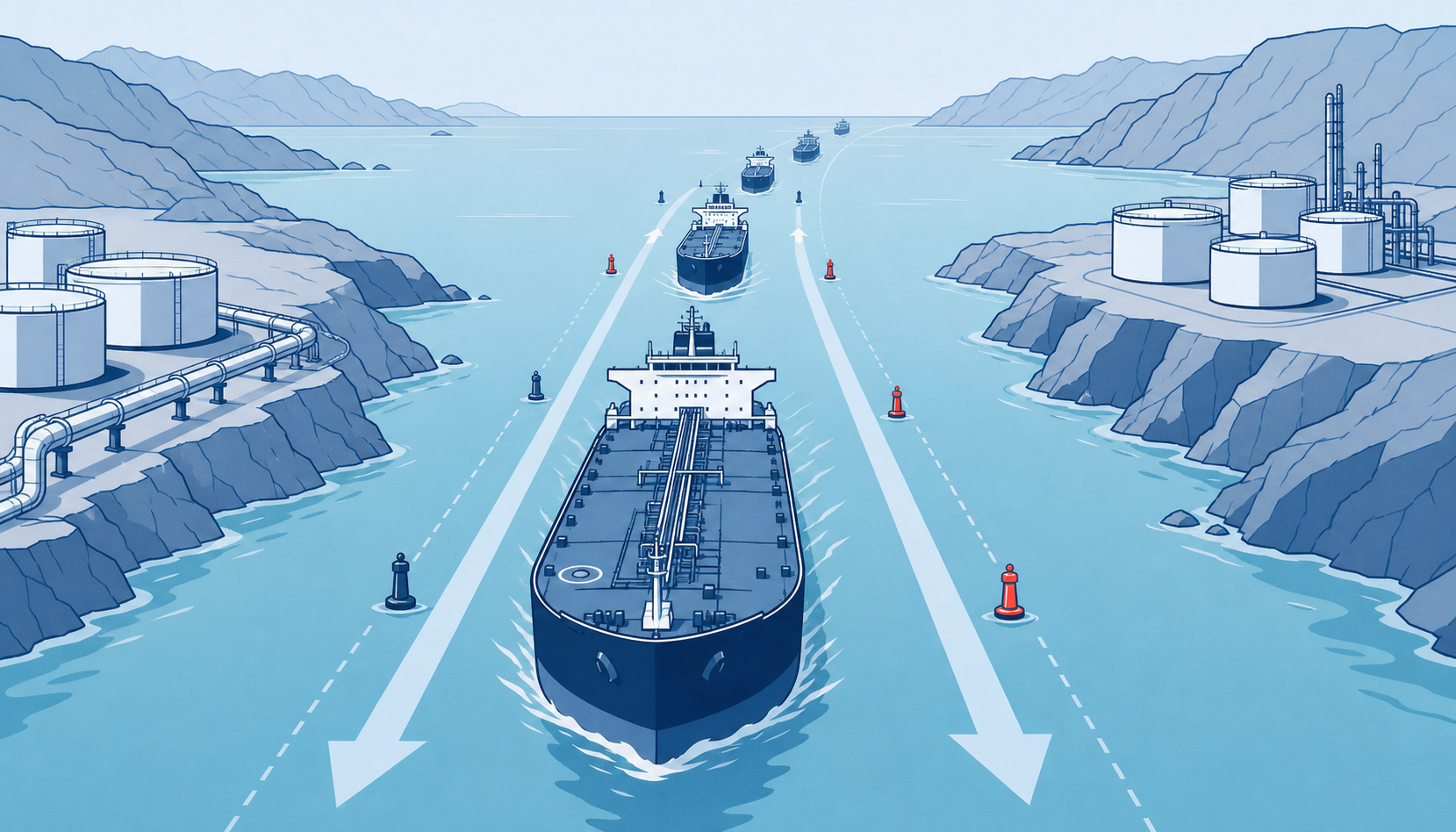
The oil market has moved from an acute shortage scare toward a fragile recovery. The International Energy Agency’s July Oil Market Report estimated that global supply rebounded by 4.1 million barrels per day in June to 98.8 million barrels per day as flows through the Strait of Hormuz resumed. Output still stood 9.4 million barrels per day below pre-war levels.
Demand offers OPEC+ little room for a careless supply increase. The IEA expects global oil demand to fall by 1 million barrels per day in 2026 before rising by 2 million barrels per day in 2027. It also recorded a 21 million-barrel increase in observed global inventories in June, the first rise in four months. Much of that increase came from oil on water, while onshore stocks kept falling.
The market therefore faces two different balances. Crude availability has improved as tankers leave the Gulf, yet gasoline and diesel remain tight because several export refineries have not restored full operations. The IEA said refining margins reached four-year highs in early July even as crude prices fell. A pause after September would avoid adding supply into a crude surplus while product markets still face bottlenecks.
Price forecasts argue for caution
The US Energy Information Administration cut its price outlook after shipping traffic improved. Its July Short-Term Energy Outlook put Brent crude at an average of $74 a barrel in the third quarter of 2026 and $65 in 2027. The agency expects global inventory draws of 2.2 million barrels per day in the third quarter, followed by renewed accumulation as production recovers.
Those forecasts carry wide error bands. The EIA reported that Brent traded between $72 and $118 a barrel during the second quarter as Hormuz disruptions changed shipping access and forced Gulf producers to shut in output. Its July market review also found that US distillate and jet fuel exports reached records as buyers searched for replacement supplies.
OPEC+ must decide policy while the crude market and the product market send conflicting signals. Another large target increase could push crude prices lower if shipping normalizes. A sudden conflict escalation could tighten supply before members can deliver the extra barrels.
Credit, sovereign and positioning risks
A pause would help oil-exporting sovereigns protect revenue after the recent price decline. It would not remove fiscal risk. Producers with high spending commitments still face weaker cash flow if Brent follows the EIA path toward $65 in 2027. Members that have exceeded quotas also need to absorb compensation cuts, which can limit export receipts even when published targets rise.
For energy companies, the credit effect depends on their place in the supply chain. Upstream producers benefit from price support, while refiners can lose margin if product supply recovers faster than crude. Airlines, chemical companies and other fuel users gain from lower crude prices, but tight diesel and jet fuel markets can delay that relief.
Market positioning should distinguish outright prices from product spreads. A pause could support the back of the Brent curve and reduce expectations of a fourth-quarter glut. Continued refinery constraints can keep fuel cracks firm even if crude remains under pressure. Traders also need to watch tanker flows, onshore inventory data and compensation schedules rather than relying on quota announcements alone.
What could change the September plan
The August 2 meeting provides the next formal checkpoint. OPEC+ could extend the 188,000 barrel-per-day pace into September, slow the increase or stop it sooner. Renewed disruption in the Strait of Hormuz would strengthen the case for caution, while a faster export recovery and firm demand could allow another increase.
Compliance will shape the decision. The IEA estimated that several producers remained far from their implied June targets because war had shut in production, while Kazakhstan produced above its target. OPEC+ can use compensation requirements to restrain supply without announcing a broad cut.
Analyst’s View
A pause after September would mark a shift from restoring nominal production room to defending price stability. It would also acknowledge that quotas have become a weak guide to physical supply during the Gulf disruption.
The strongest signal will come from the combination of policy and data. If tanker flows normalize, inventories build and product margins ease, a pause could put a floor under crude without creating a new shortage. If conflict restricts exports again, OPEC+ may need to reverse planned increases before September. The group’s published flexibility makes either response possible, which leaves volatility high even if the monthly quota cycle stops.