For most of the past decade, central bankers lived inside a single narrative: inflation was the problem, interest rates were the tool, and almost everything else was secondary. That era is over.
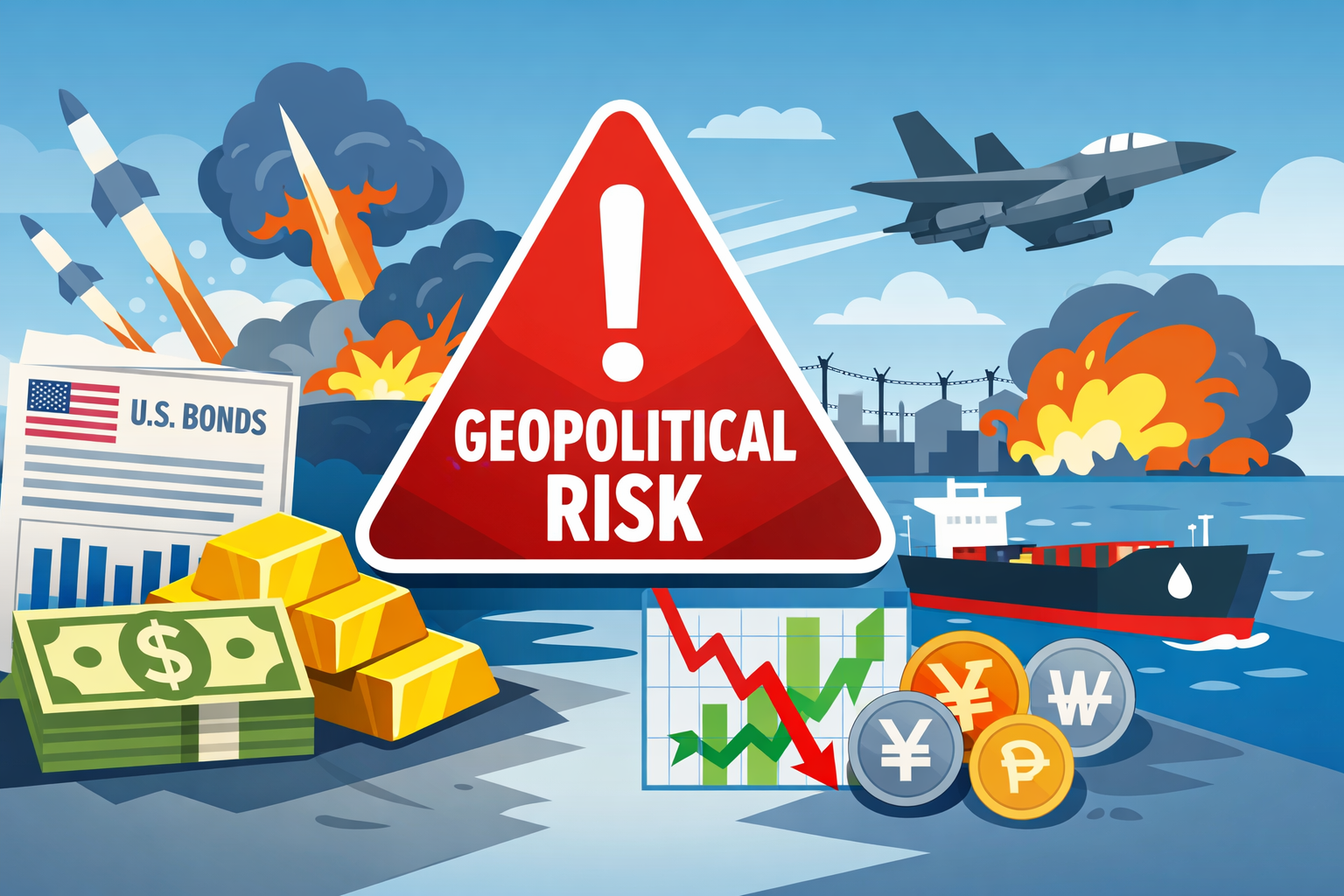
A sweeping new survey of nearly 100 central banks and sovereign institutions — collectively managing more than $9.5 trillion in reserves — has revealed a sharp turn in how policymakers see the world. In 2026, 69.7% of respondents ranked geopolitical tensions as the top global risk. Just two years ago, only 35.6% said the same. Last year, U.S. trade protectionism held the top spot. This year, the concern is broader, deeper, and harder to model: war, sanctions, energy supply disruptions, and the fragmentation of the global financial order itself.
This is not a marginal shift in tone. It is a regime change in how the institutions that anchor the world’s monetary system think about risk.
Beyond the headline
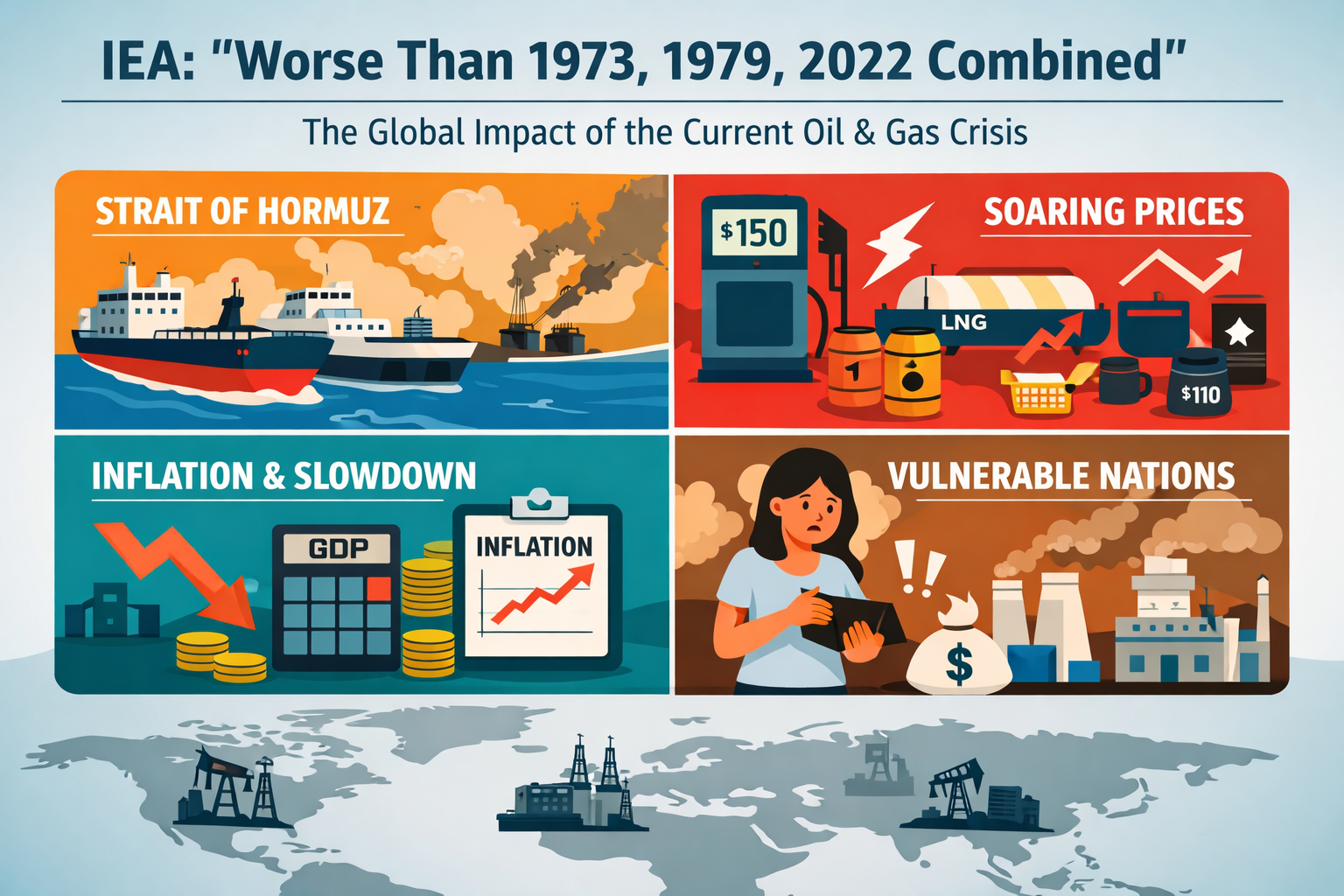
It would be easy to dismiss a survey as sentiment, but what makes this finding significant is what sits behind it. Central banks are not simply reacting to news cycles. They are watching the way geopolitical conflict rewires trade routes, redirects capital flows, reshapes commodity pricing, and breaks the cross-asset correlations their portfolio models depend on. When a war in the Middle East sends Brent crude up 55% in six weeks, that is not a diplomatic problem — it is a reserve-management problem.
The HSBC Reserve Management Trends 2026 report, published in partnership with Central Banking, captures this shift in detail. Reserve managers are no longer treating geopolitics as an abstract tail risk. They are pricing it into allocation decisions, liquidity buffers, and counterparty assessments. The phrase that keeps surfacing in the data is “rising global fragmentation” — a polite way of saying that the rules-based financial architecture central banks built their strategies around is becoming less reliable.
Inflation hasn’t disappeared — it’s been joined
To be clear, inflation and interest rates have not fallen off the radar. They remain the most-cited factor shaping reserve management over the next five years, with 52.0% of respondents flagging them. But that figure has dropped sharply — it was 76.4% just a year earlier. Meanwhile, geopolitics as a five-year reserve-management influence rose to 29.6%, nearly doubling from 14.6% in 2025.
The story here is not replacement. It is layering. Central banks now face a world where they must manage inflation risk and sanctions risk, rate-path uncertainty and energy-supply uncertainty, all at the same time. The analytical frameworks that worked when inflation was the dominant variable are being stretched to accommodate threats that do not fit neatly into any macroeconomic model.
The dollar question
Perhaps the most closely watched dimension of this shift is what it means for the U.S. dollar. The short answer: the dollar is not being abandoned, but it is being quietly reassessed.
Around 80% of reserve managers still agree that the dollar remains the primary safe-haven currency. That is a commanding majority, and anyone predicting an imminent collapse in dollar dominance will find little support in this data. But confidence is fraying at the edges. Reserve managers are increasingly aware that the dollar’s centrality in the global system also makes it a tool of coercion — sanctions, asset freezes, and the politicization of payment infrastructure have made some institutions think harder about concentration risk.
The signal is subtler in the bond market. Only 32.9% of surveyed reserve managers expected U.S. government bonds to outperform those of other G7 economies and China. That is down from 54.3% in 2025 and 71.1% in 2024. A two-year decline of nearly 40 percentage points in confidence is not noise. It reflects a growing sense that U.S. fiscal dynamics, political volatility, and the possibility of further weaponization of financial infrastructure are real portfolio considerations — not distant hypotheticals.
Gold as the neutral hedge
Against that backdrop, gold’s appeal becomes easier to understand. Nearly three-quarters of surveyed central banks — 72.6% — already hold gold in their reserves, and the data suggests a meaningful number intend to increase their exposure.
Gold’s advantage in the current environment is not that it offers yield or liquidity. It does neither particularly well. Its advantage is political neutrality. Gold cannot be frozen, sanctioned, or devalued by a single government’s fiscal decisions. In a world where reserve managers are thinking seriously about what happens if the financial system splinters along geopolitical lines, that neutrality carries real strategic value.
This should not be read as a dramatic anti-dollar bet. Most central banks adding gold are doing so gradually, at the margins of large portfolios still dominated by dollar and euro assets. But the direction is clear, and it has been consistent for several years running.
From strategy decks to market stress
The survey captures how central banks are thinking. Asia’s currency markets show how those thoughts translate into action under pressure.
Asia imports roughly 60% of its crude oil from the Middle East. When the Iran conflict escalated on February 28 and Brent surged, the impact was immediate: higher import bills, wider current-account deficits, and downward pressure on currencies already dealing with a strong dollar environment. India and the Philippines moved quickly to intervene in foreign-exchange markets. Pressure has been building across the region, with half of 94 surveyed central banks reporting that they had intervened in FX markets over the previous 12 months.
What makes this moment especially difficult is the three-way bind that energy-importing central banks now face — sometimes described as an “FX intervention trilemma.” Higher oil prices push up inflation. Weaker currencies amplify imported inflation further. But tightening monetary policy to defend the currency risks choking off growth in economies that are already under strain. There is no clean exit from that triangle. Every choice comes with a cost, and central banks are being forced to pick which cost they can most afford.
What to watch
The survey was largely completed before the late-February escalation in the Middle East, which means the published numbers almost certainly understate the current level of concern. If nearly 70% of central banks flagged geopolitics as their top risk before the conflict intensified, the real figure today is likely higher.
For readers trying to track how this plays out, the most useful signals will not come from press conferences or communiqués. They will come from the data: shifts in official gold purchases reported through the IMF, changes in U.S. Treasury custody holdings at the Federal Reserve, the frequency and scale of FX intervention across Asia, and any new language from reserve managers around sanctions resilience or the geographic diversification of reserve holdings.
Central banks rarely telegraph strategic pivots. But the survey data, the gold flows, and the intervention patterns all point in the same direction. The world that reserve managers are preparing for is one where geopolitics is not a background variable — it is the foreground.