The European Central Bank held its three key interest rates steady on July 23 as policymakers weighed a cooling monthly inflation reading against the delayed effects of a large energy-price shock. The decision left the deposit facility rate at 2.25%, the main refinancing rate at 2.40% and the marginal lending rate at 2.65%.
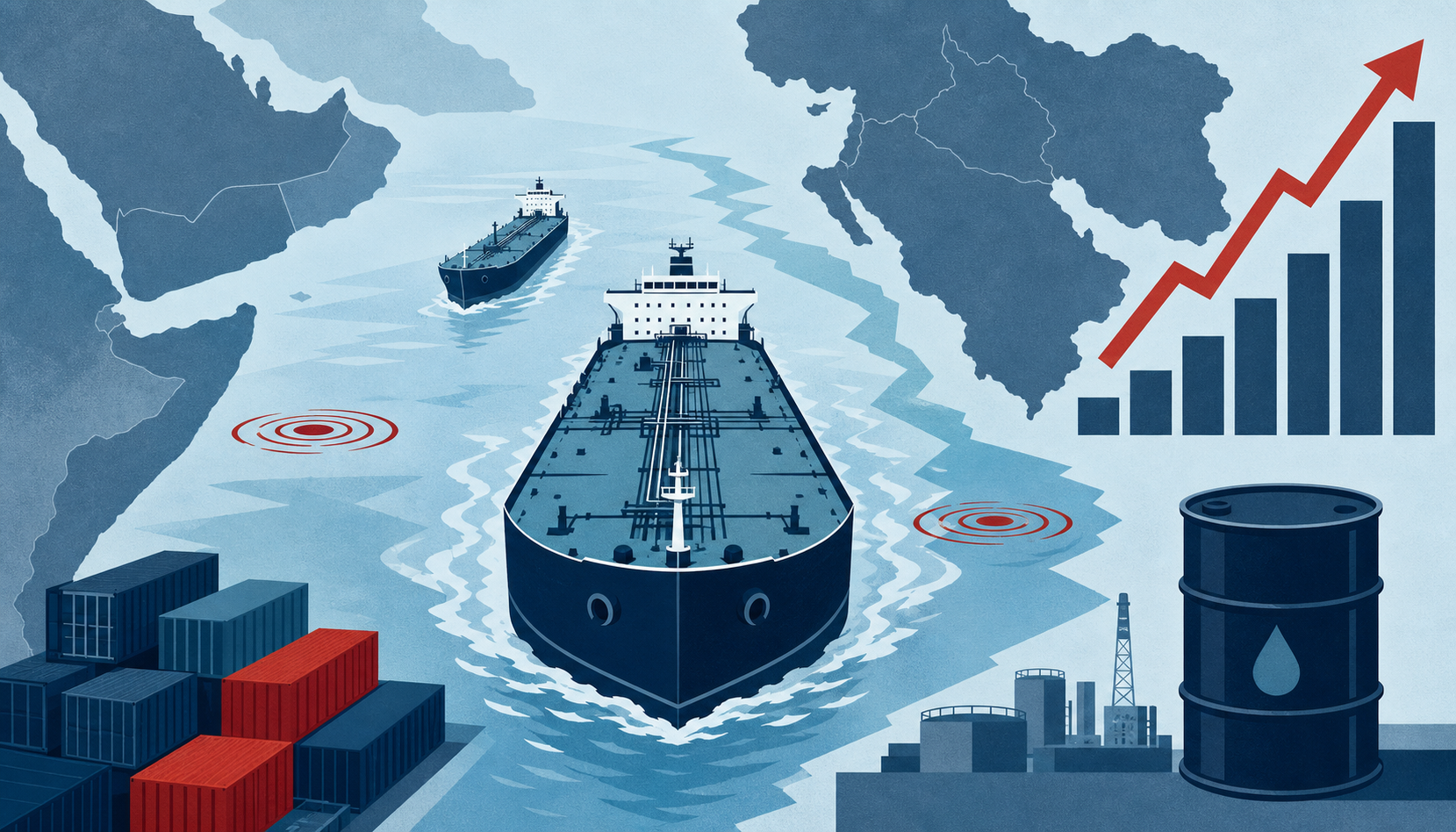
The ECB said after the meeting that energy prices remained close to the baseline used in its June projections, though they stood well above levels seen before the conflict in the Middle East. The Governing Council said the full inflation effect had yet to pass through the economy. It will assess the duration of the shock, the spread into other prices and any response in wages or expectations before changing rates again.
Inflation eased in June, but energy still drives the risk
Euro-area annual inflation fell to 2.8% in June from 3.2% in May, according to Eurostat’s final release. The monthly index slipped 0.1%. That decline gave the ECB room to pause after its 25-basis-point increase in June.
The composition still argues for caution. Energy prices rose 8.5% from a year earlier and contributed 0.77 percentage points to headline inflation. Services added 1.51 percentage points, the largest contribution of any broad component. Inflation excluding energy and food eased to 2.4%, while services inflation remained at 3.2%.
The ECB’s July monetary policy statement said firms faced higher input costs and expected to raise selling prices. Wage growth had moderated and underlying inflation remained contained, which limits the immediate case for another increase. Policymakers still see a risk that energy costs will move through supply chains and affect a wider range of goods and services.
The path back to 2% depends on energy prices
The June Eurosystem staff projections put headline inflation at 3.0% in 2026, 2.3% in 2027 and 2.0% in 2028. Staff expect inflation to peak at 3.4% in the third and fourth quarters of 2026 before easing as energy futures decline. Core inflation, which excludes energy and food, stays at 2.5% in both 2026 and 2027 and falls to 2.2% in 2028.
Those figures describe the baseline, not a promise. The severe scenario in the same projections puts inflation at 4.0% this year and 5.3% in 2027 if the energy disruption persists. It also cuts real GDP growth to 0.5% in 2026 and 0.4% in 2027. The baseline calls for growth of 0.8% this year and 1.2% next year.
The difference between those paths explains the ECB’s meeting-by-meeting stance. A quick retreat in oil and gas prices would reduce headline inflation and support household purchasing power. A longer disruption would raise production and transport costs, squeeze real incomes and keep the policy rate higher for longer.
Credit conditions are already tightening
Monetary restraint has started to show in bank lending. The ECB’s July bank lending survey found that a net 7% of banks tightened credit standards for companies in the second quarter. Net tightening reached 9% for housing loans and 12% for consumer credit. Banks cited higher economic risk and lower risk tolerance, with energy-intensive manufacturing and the car industry facing the strongest pressure.
Demand for company loans increased by a net 3%, supported by working-capital needs, large-company investment and refinancing. Housing-loan demand fell by a net 15%. The combination points to a difficult credit mix: firms need liquidity as costs rise, while lenders have become more selective.
For corporate credit, the main risk sits with borrowers that have thin margins, high energy use or near-term refinancing needs. Higher input costs can weaken debt-service capacity before firms recover the increase through prices. Banks may respond with tighter covenants, shorter maturities or wider spreads.
Sovereign and market implications
Higher-for-longer rates also raise sovereign refinancing costs. The effect will vary across euro-area governments according to debt maturity, fiscal space and investor confidence. The ECB continues to let its asset-purchase portfolios shrink because it no longer reinvests maturing principal. That process leaves private investors to absorb more duration while national treasuries finance existing deficits.
Market positioning therefore depends on the balance between the energy shock and weakening growth. A sustained rise in energy prices could lift short-dated yields and inflation compensation while pressuring rate-sensitive equities. Softer demand without a new energy surge would support longer-duration bonds. Investors should separate a fall in headline inflation caused by monthly energy volatility from evidence that services and core prices are returning to target.
Analyst’s View
The July pause reflects a narrow policy window. June inflation moved in the right direction, but the ECB cannot treat one softer reading as proof that the shock has passed. Energy inflation remains high, firms expect to lift prices and banks have tightened credit standards across every major borrower group.
The baseline return to 2% rests on lower energy prices in 2027 and 2028. That assumption deserves more attention than any single rate decision. If futures prices prove accurate, the current policy stance may contain second-round effects without causing a deep contraction. If supply disruptions last, the ECB will face weaker growth alongside persistent inflation, and the severe scenario shows how quickly that combination can deteriorate.
What comes next
The next key signals will arrive from July inflation data, negotiated wages, corporate selling-price expectations and energy markets. The ECB will also watch whether tighter bank standards reduce investment and consumption. A broad decline in core and services inflation would strengthen the case for patience. Renewed energy pressure or a rise in inflation expectations would put another increase back into play.