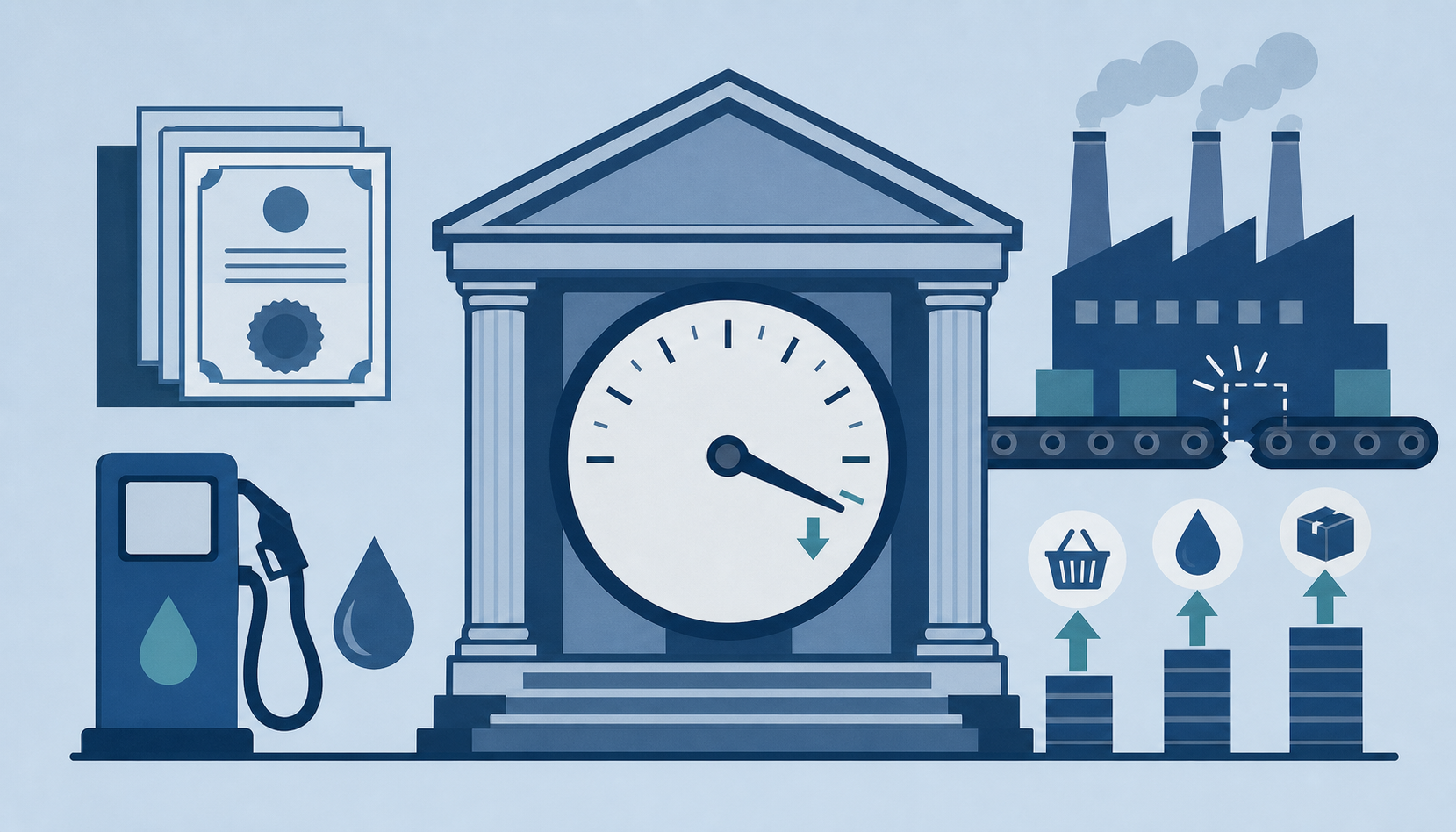
The Bank of Russia cut its key rate by 25 basis points to 14.00% on July 24, extending an easing cycle while warning that fuel costs, strained production capacity, and fiscal policy could keep inflation above target. The decision takes effect on July 27.
The reduction was smaller than the 50-basis-point moves the central bank delivered in March and April. In its policy statement, the Bank of Russia said underlying inflation remained within a 4% to 5% annualized range. It also raised its forecast for headline inflation at the end of 2026 to 6.0% to 7.0%, compared with its 4% target.
The bank described the move as a cautious step. Price growth accelerated in June and July as motor fuel, fruit, and vegetables became more expensive. Annual inflation stood at 5.9% on July 20. Household, business, and financial-market inflation expectations also rose, increasing the risk that a temporary cost shock could influence wage demands and price setting.
A rate cut paired with tighter forecasts
The decision lowered the policy rate, yet the bank raised its expected rate path. Its updated medium-term forecast puts the average key rate at 14.5% to 14.6% in 2026 and 10.5% to 12.5% in 2027. The same forecast limits 2026 GDP growth to 0.0% to 1.0% and projects a 1.5% to 3.5% contraction in gross capital formation.
Those figures show why the bank chose a small reduction. Demand has lost momentum and corporate expectations for future output have weakened. At the same time, supply constraints and higher budget spending threaten to keep price pressure alive. A faster easing cycle could support borrowing and investment, but it could also weaken the disinflation process before expectations settle.
Governor Elvira Nabiullina said in her post-meeting statement that the bank viewed the recent acceleration in prices as temporary. She linked the rise to fuel costs and food prices, while keeping the estimate of underlying inflation at 4% to 5%. She also said companies had cut their demand expectations and that the bank expected more moderate demand later in 2026.
Production losses complicate the policy signal
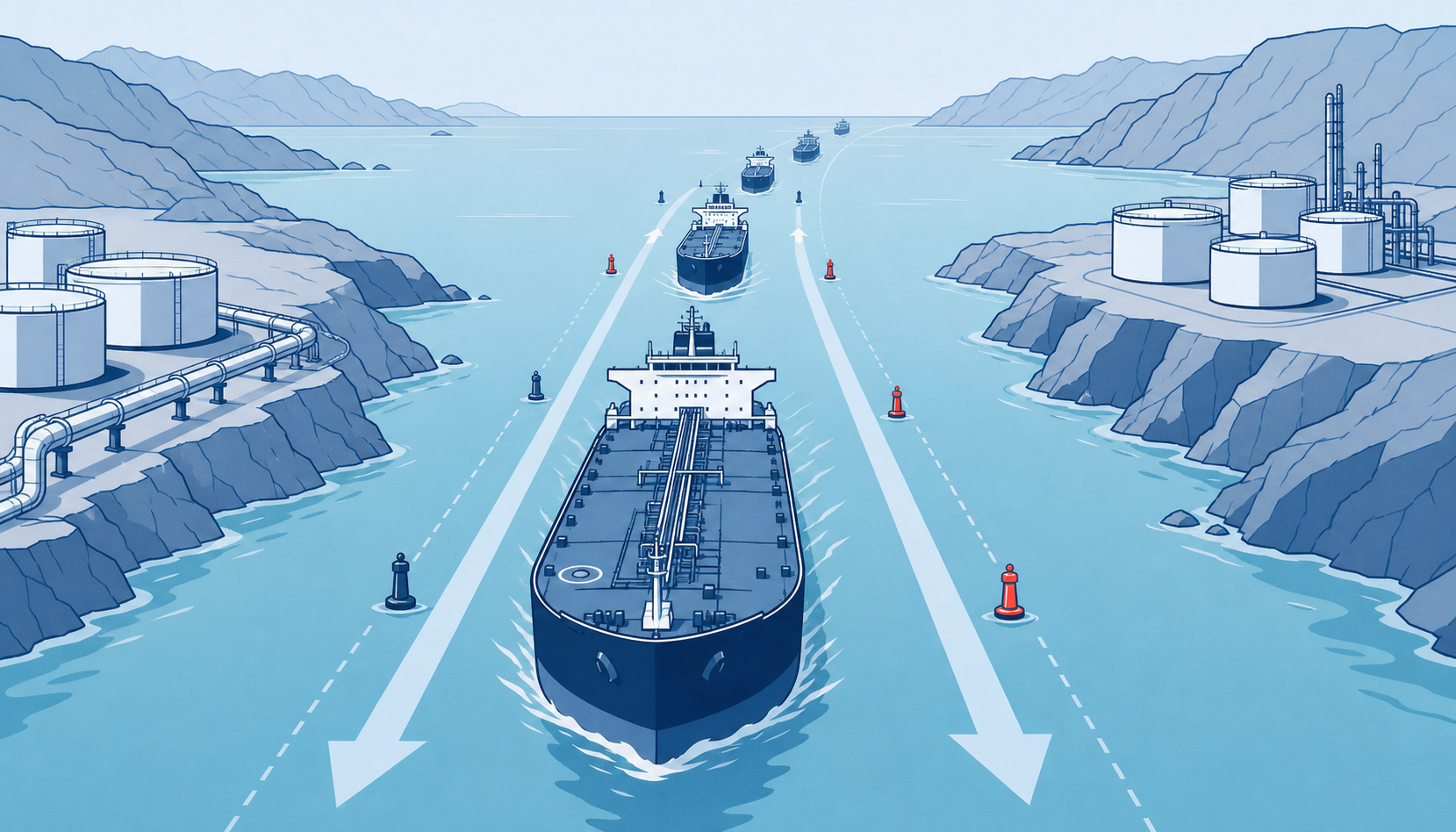
The source headline connects the rate decision with drone strikes. The central bank used narrower language. It referred to a temporary contraction in production capacities in certain sectors and said the effect on output had increased since June. It did not name the sectors or attribute the disruption to a specific attack in the policy release. The connection between military strikes and the full economic effect therefore remains an external assessment, not a claim established by the bank’s statement.
The distinction matters for forecasting. A short disruption can lift costs while reducing output, then fade as companies restore capacity. A longer disruption can damage equipment, interrupt logistics, and force businesses to hold more inventory. That combination can restrain growth and preserve inflation, leaving the central bank with little room to cut rates.
The Bank of Russia now assumes companies will restore affected capacity before the end of 2026. It also cut its GDP forecast and said pro-inflationary risks still outweighed disinflationary risks. The bank pointed to global price pressure from geopolitical tensions and to wage growth that continued to exceed productivity gains.
Credit and sovereign risks remain elevated
A 14% policy rate leaves credit expensive even after the cut. The central bank reported slower lending activity in June, driven by corporate credit, while non-price lending conditions remained tight. Borrowers that rely on short-term funding face high refinancing costs. Companies with weak cash flow, large working-capital needs, or exposure to disrupted supply chains carry the greatest risk of payment stress.
Retail credit has started to recover through mortgages and unsecured consumer loans, according to Nabiullina. That recovery could support consumption, but it also gives policymakers another reason to move in small steps. Faster household borrowing would add demand while inflation expectations remain high.
Sovereign risk centers on the fiscal path. The bank’s baseline assumes that the structural primary deficit will decline to zero by 2029. Government spending has run above recent years, and the central bank expects a larger structural deficit than it used in earlier projections. If the government presents a wider deficit in its next medium-term budget, the bank said monetary policy may need to remain tighter than the current baseline implies.
That policy mix can keep federal bond yields high and raise the government’s refinancing cost. It can also crowd private borrowers out of domestic funding markets. Russia’s current-account surplus offers a buffer, with the central bank forecasting $48 billion for 2026, but lower export receipts and higher imports could narrow that support in later years.
Analyst’s View
The 25-basis-point cut offers limited relief to borrowers and avoids a strong easing signal. The important change sits in the forecast: the bank raised its inflation estimate and lifted the expected rate path for 2026 and 2027. Investors should read the decision as a commitment to slow reductions while supply damage, fuel prices, and fiscal spending remain uncertain.
For credit portfolios, the main test will come from companies that must refinance before rates fall further. Banks may preserve margins through high lending rates, though weaker borrowers could add provisions. For sovereign debt, a credible budget plan would support longer-duration bonds. A wider structural deficit or another fuel-driven inflation shock would favor shorter maturities and demand a larger risk premium.
Currency positioning also depends on the balance between tight domestic rates and external receipts. The Bank of Russia’s July survey of economists placed the median 2026 exchange-rate forecast at 78.4 rubles per dollar and GDP growth at 0.6%. Those private forecasts carry uncertainty, but they show that economists expected weak growth and a high real rate before the July decision.
What comes next
The bank will release its discussion summary and forecast commentary on August 5. Its next rate meeting is scheduled for September 11. Before then, investors will watch weekly inflation, fuel prices, corporate lending, and the government’s budget plans.
A sustained decline in inflation expectations would give the board room for another cut. Persistent production constraints or a larger fiscal deficit would delay that path. The July decision leaves both outcomes open while keeping real borrowing costs restrictive.