Iran and Oman are advancing talks on the rules needed to restore safe commercial traffic through the Strait of Hormuz, a step that could ease one of the largest energy and shipping disruptions of 2026. Oman says it continues to work with all parties to restore freedom of navigation under international law. The discussions cover the administration of navigation, services for vessels and the costs attached to those services.
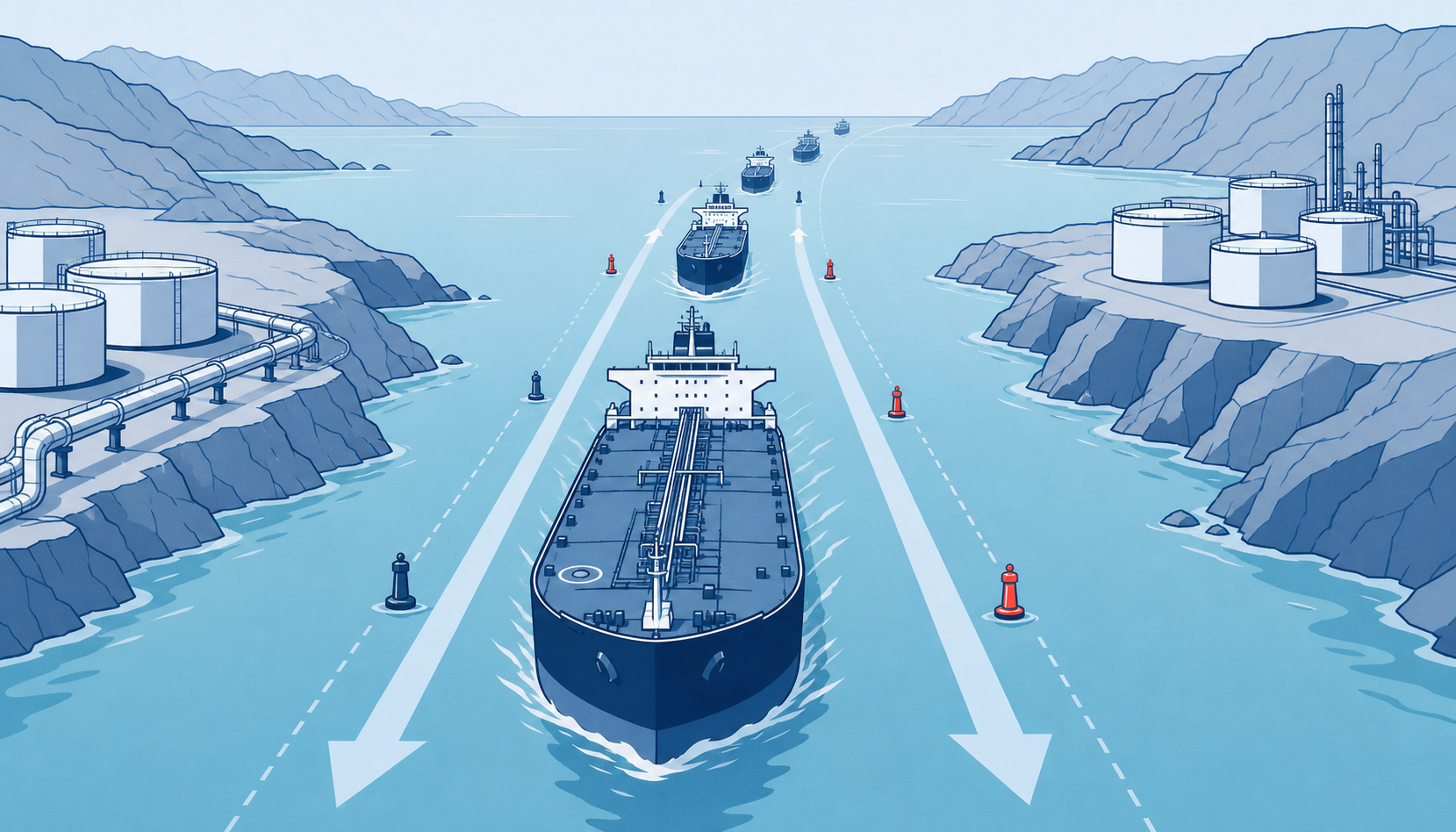
The negotiations matter far beyond the Gulf. The International Energy Agency estimates that about 15 million barrels of crude oil and 5 million barrels of petroleum products normally pass through the strait each day, equal to about 20% of global oil consumption. A dependable shipping corridor would help producers rebuild exports and allow refiners, shipowners and insurers to plan around operating conditions rather than diplomatic signals.
Talks move from principles to operating rules
Oman and Iran set out the structure of their dialogue in a June 23 joint statement. The two coastal states agreed to maintain a joint working group between their foreign ministries and seek an agreement on the future administration of navigation. They also said they would consult other states on the Gulf coast and relevant parties.
Oman’s Foreign Ministry reinforced that position on July 14. It said Oman was continuing its neutral cooperation with all sides to restore freedom of navigation in line with the United Nations Convention on the Law of the Sea. That statement supplies the diplomatic baseline. Operators still need practical arrangements covering safe routes, mine clearance, vessel scheduling and security guarantees.
The International Maritime Organization has already tested part of that operational framework. In a July 8 update to its governing council, Secretary-General Arsenio Dominguez said 136 vessels carrying 2,900 seafarers had left the area through two alternative routes. The existing traffic separation scheme could not be used because of security risks that included sea mines. The IMO later paused the operation after fresh attacks undermined safety assurances. About 6,000 seafarers remained trapped in the region at the time of the update.
Those facts show why a political commitment alone will not normalize traffic. Ship masters and owners need verified routes, reliable contact procedures and credible protection from attack. Insurers need enough evidence to reprice war-risk cover. A formal Iran-Oman mechanism could connect the diplomatic channel to those operating requirements.
Oil supply gives the talks global weight
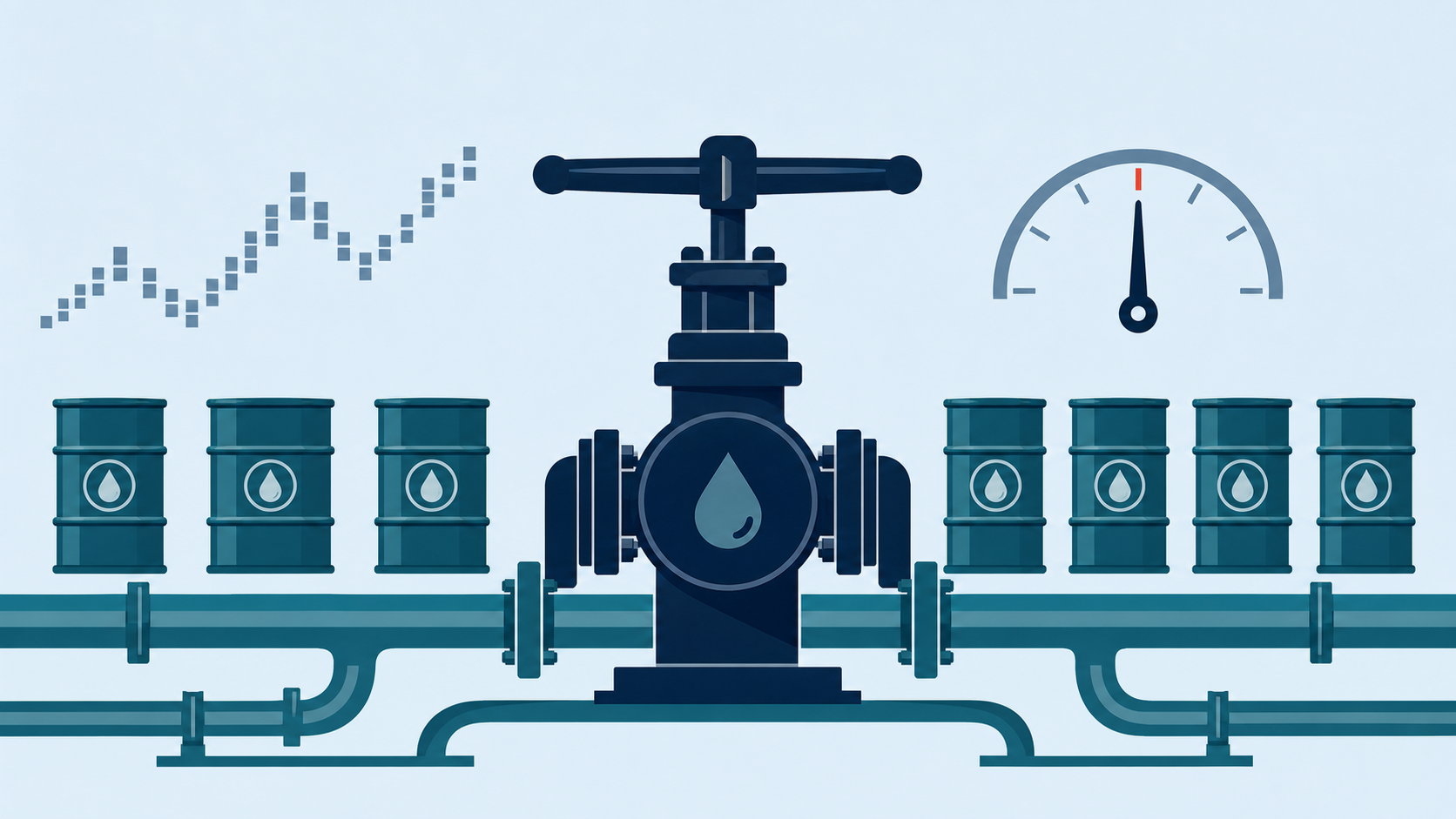
The energy volumes at stake make Hormuz different from most maritime disruptions. The IEA describes the conflict as the largest supply disruption in the history of the global oil market. It says the loss of traffic pushed crude above $100 a barrel and raised prices for diesel, jet fuel and liquefied petroleum gas. IEA members released 400 million barrels from emergency reserves in March, the largest coordinated stock release in the agency’s history.
The US Energy Information Administration expects the shock to change trade patterns even after traffic improves. Its June outlook projected Brent crude at an average $95 a barrel in 2026 and $79 in 2027 as Middle Eastern output and trade flows recover. The EIA also found that US net exports of crude and petroleum products reached a record 5.8 million barrels a day in April as buyers sought supply outside the Gulf.
A restart would therefore affect more than the spot price of oil. It would change refinery feedstock choices, tanker routes and the value of emergency inventories. Producers with export capacity outside Hormuz could lose part of the scarcity premium they gained during the disruption. Gulf producers could regain volume, though the speed would depend on port operations, storage balances and damage to upstream facilities.
Freight and inflation may respond at different speeds
Oil futures can react within minutes to a negotiating headline. Shipping costs move after underwriters, shipowners and crews accept the new risk level. The IMO said in July that high maritime insurance costs were adding to the strain on operators and holding up reductions in freight rates. A few successful transits will help, but insurers will watch the frequency of attacks, mine-clearance reports and the durability of any security guarantees.
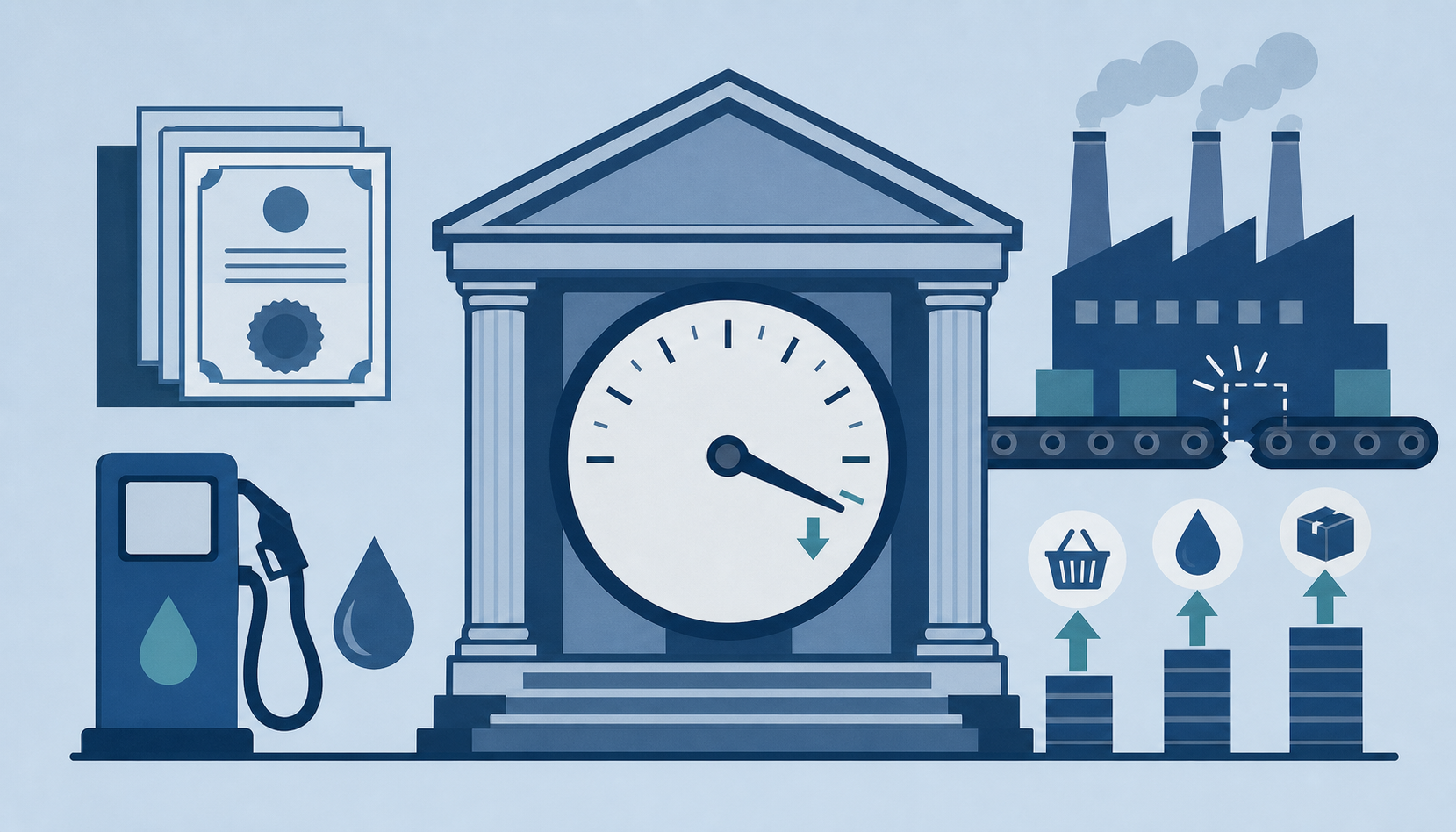
UN Trade and Development estimates that disruptions through Hormuz raised energy, transport, logistics and production costs during the first half of 2026. Its July-August trade update says higher prices accounted for a significant share of global trade growth. That distinction matters for central banks. A lower oil price can slow headline inflation, while freight contracts and retail prices may take longer to adjust.
Import-dependent economies face the hardest lag. UNCTAD identified 61 vulnerable economies exposed to both oil and cereal import shocks after more than 100 days of disruption. Governments with high debt-service burdens have less fiscal room to subsidize fuel or food. A shipping agreement would reduce one source of pressure, though it would not reverse the debt accumulated or the reserve losses incurred during the shock.
Credit risk and market positioning
For corporate credit, the first beneficiaries would include fuel-intensive transport companies, airlines and manufacturers that have absorbed higher energy and freight bills. Refiners that struggled to secure Gulf crude could regain more predictable supply. Shipping companies may see lower war-risk revenue alongside lower operating danger. Lenders should focus on how fast each borrower can reset prices and contracts, since falling input costs do not reach every balance sheet at the same pace.
Sovereign risk could improve for large energy importers if lower oil bills reduce current-account deficits and demand for foreign currency. The effect would be strongest where governments have used reserves or emergency subsidies to cushion households. Oil exporters outside the Gulf could face the reverse pressure if restored supply narrows fiscal windfalls. Gulf exporters would trade some price support for higher export volumes and more dependable cash flow.
Market positioning should treat the talks as a process with observable milestones. Investors can track confirmed vessel transits, insurance premiums, tanker rates, Gulf production restarts and commercial inventory data. A signed statement without safe passage would leave the physical market tight. Repeated transits through cleared corridors would give price moves a stronger foundation.
Analyst’s View
The core question is whether Iran and Oman can turn a diplomatic channel into a system that ship crews and insurers trust. The joint working group offers a venue for rules on navigation, services and costs. The IMO experience provides a list of unresolved operating risks, from mines to attacks on vessels using alternative corridors.
Oil markets may price a reopening before the full flow returns. Credit markets will demand more evidence because borrowers pay freight, fuel and insurance invoices tied to physical delivery. Watch the gap between oil futures and tanker insurance. If crude falls while war-risk premiums stay high, traders are pricing diplomacy faster than the shipping system can deliver it.